
Signs a parent may need support at home
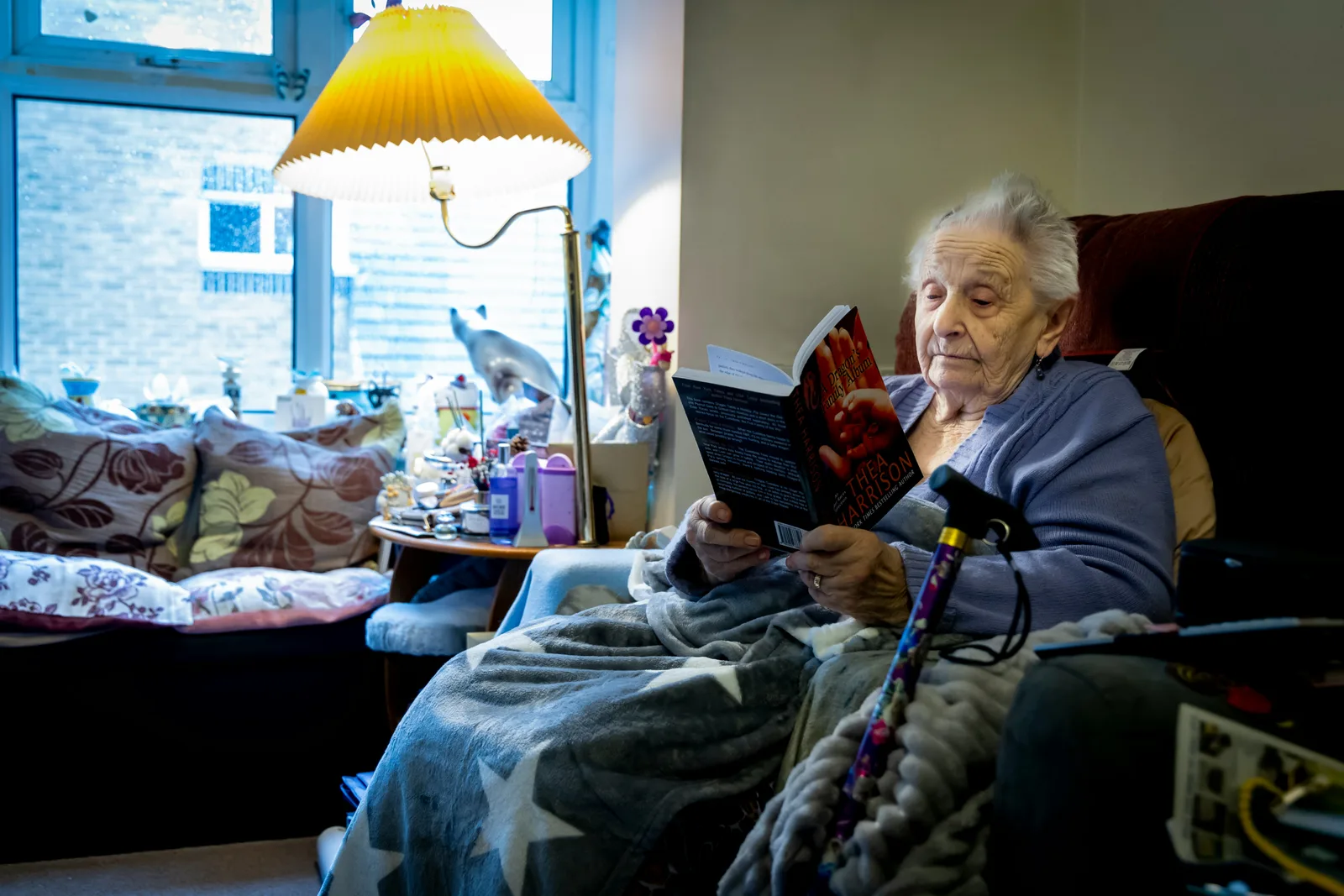
A simple checklist for spotting when someone you love may need a bit more support.
It rarely happens overnight. More often, the signs build up quietly — a missed meal here, a bit more confusion there — until one day you realise things aren't quite as they were. If you've picked up this checklist, some part of you has probably already noticed.
There's no score to reach and no 'pass or fail'. This is simply a way to gather what you've been noticing in one place, so you can talk it through with the rest of the family, a GP, or us. Tick anything that sounds familiar.
How to use this: Go through each section and tick what applies. A few ticks may just mean a helping hand would be welcome. Several ticks — especially around safety or health — are worth acting on sooner.
Around the home
Health and body
Memory and mood
Getting out and about
So you've ticked a few — what now?
Start a gentle conversation. Pick a calm moment, lead with what you've noticed rather than what they 'can't' do, and frame help as something that makes life easier — not something being taken away.
Speak to their GP. Some of the signs above — confusion, weight loss, dizziness — can have treatable medical causes. A GP check is a sensible first step.
Ask the council for a needs assessment. Anyone can request a free care needs assessment from their local authority. It's the starting point for any council-funded support, and it costs nothing to ask.
Talk to us, no pressure. Sometimes it helps just to talk it through with someone who does this every day. A short daily visit is often all it takes to keep someone safe, well and independent at home for far longer.
A quick word of reassurance: Noticing these things doesn't mean a care home is on the cards. Most people we support are living happily in their own homes — with just enough help to take the worry off everyone's shoulders.
When you're ready to talk, we're here. Call 07394 446099 for a friendly, no-obligation chat, or book a free assessment through our website.
This checklist is a general guide to help you notice changes and start conversations. It is not a medical or diagnostic tool. If you are worried about someone's health or immediate safety, contact their GP, NHS 111, or in an emergency call 999.
Talk it through with someone who does this every day.
Free, no obligation — we'll tell you honestly what support would help and what it would cost.