
Staying safe in the heat
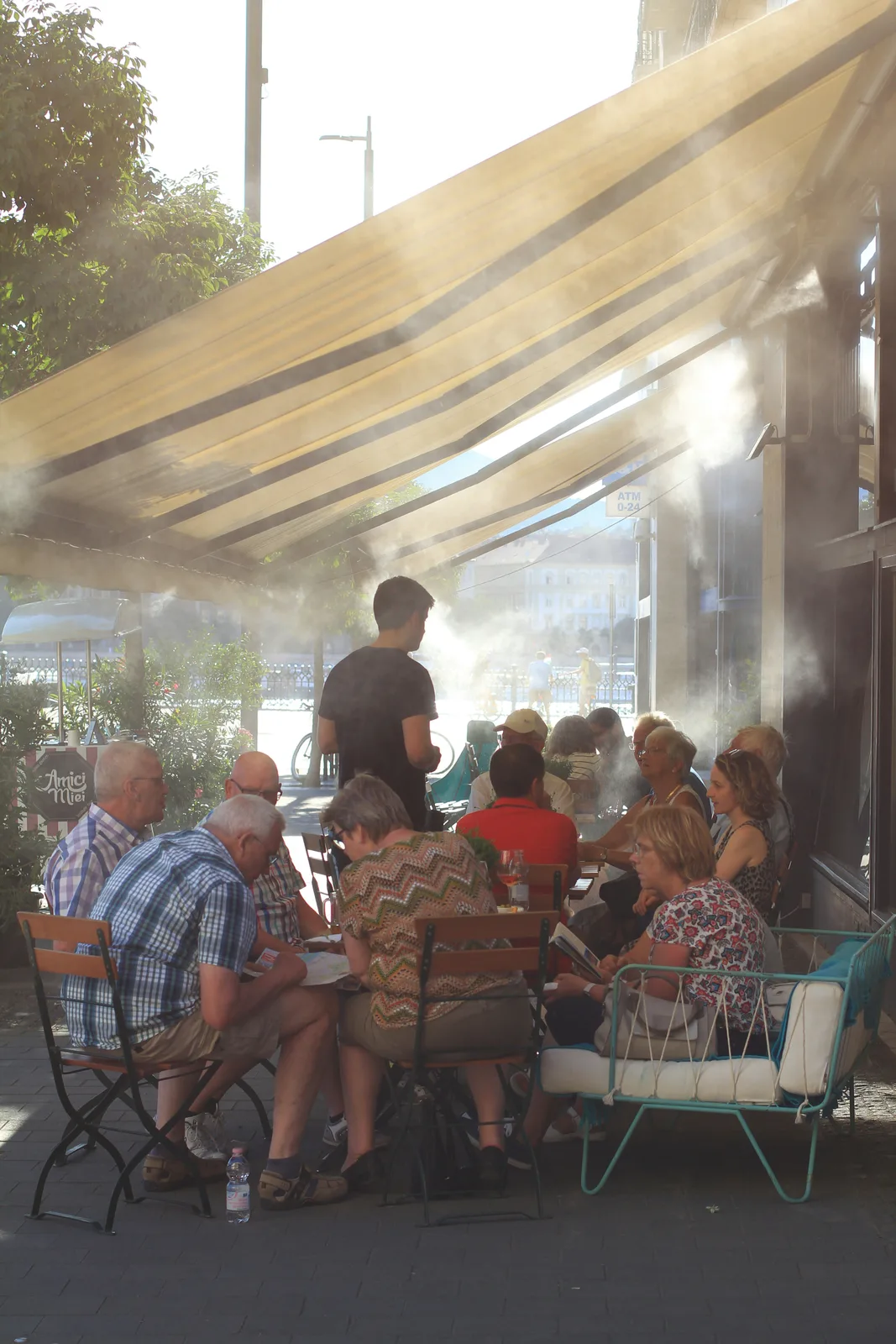
With hot weather across the country and health alerts in place, a few simple steps can keep a vulnerable person safe and comfortable.
It's the kind of summer we all look forward to — long, bright days and proper warmth. But the same weather that feels lovely to most of us can be genuinely dangerous for older people and those with health conditions. As temperatures climb, health officials have issued heat-health alerts warning that the heat can put vulnerable people at real risk, with the greatest danger to those aged 65 and over.
The reassuring part is that heat-related illness is largely preventable. A little awareness and a few small habits make all the difference.
Why heat hits older people harder
As we age, the body becomes less efficient at regulating its own temperature, and the sense of thirst fades — so an older person can become dangerously dehydrated without ever feeling thirsty. Many common medications also affect how the body copes with heat. On top of that, homes can quietly overheat during a spell of hot weather, especially for someone who's less mobile and can't easily open windows, close curtains or move to a cooler room.
The warning signs to watch for: Dizziness, headache, unusual tiredness or confusion, muscle cramps, intense thirst, or skin that's hot and dry. These can signal heat exhaustion — act quickly if you notice them.
Simple ways to help someone stay safe
Keep fluids going
Encourage regular sips of water through the day, rather than waiting for thirst. Watery fruits, ice lollies and diluted squash all count. Go easy on very sugary drinks, and on alcohol and a lot of caffeine, which are dehydrating.
Keep the home cool
Close curtains and blinds on the sunny side of the house during the day, and open windows once the outside air turns cooler in the evening. A fan can help, though in very high heat it's less effective on its own — a cool, damp cloth on the neck or wrists works well alongside it.
Avoid the hottest part of the day
Keep out of direct sun between roughly 11am and 3pm. If someone enjoys the garden, encourage the cooler mornings or evenings, with a hat, shade and sun cream.
Dress for the weather
Loose, light, cotton clothing helps the body stay cool. It's worth gently checking, as an older person may reach for their usual layers out of habit.
Check the medicine cabinet
Some medicines need to be kept below a certain temperature. If in doubt, a quick word with the pharmacist will confirm how to store them safely in the heat.
Keep in touch
If you have an older neighbour, friend or relative living alone, a simple phone call or a knock on the door during a hot spell can be a lifeline. It's often a quick visit from someone who notices they seem a bit off — confused, flushed or unusually tired — that prevents a trip to hospital.
When to get help
Cool them down and seek advice. For signs of heat exhaustion, move the person somewhere cool, get them to sip water and cool their skin, and they should feel better within 30 minutes. If they don't — or if they show signs of heatstroke such as confusion, a very high temperature, or loss of consciousness — this is a medical emergency. Call 999. For non-urgent advice, NHS 111 is there day and night.
How we help in a heatwave: During hot spells, our carers keep a close eye on the people they support — making sure they're drinking enough, keeping the home cool, and staying well. A regular visit is peace of mind when the weather turns risky, especially for someone living alone.
Worried about a loved one in this weather? Call us on 07394 446099 for a friendly chat about how we can help.
This article offers general information on staying safe in hot weather and reflects health guidance current at the time of writing. It is not medical advice. For heat-related illness always follow current NHS guidance, and in an emergency call 999. For the latest heat-health alerts, see the UKHSA and Met Office.
Talk it through with someone who does this every day.
Free, no obligation — we'll tell you honestly what support would help and what it would cost.